An independent inspection can help you understand a used vehicle’s condition. Here is what to discuss, what records to bring and what an inspection cannot guarantee.
Understand the purpose
A used vehicle can look tidy while still needing significant work. A pre-purchase inspection is an opportunity to obtain an independent condition assessment before making a decision. Agree on its scope and any limitations before booking.
An inspection is a snapshot, not a guarantee of future reliability or a promise that every hidden defect will be found. It is also distinct from any certificate, appraisal or statutory inspection that may be required for a transaction.
Arrange access and share the history
Obtain the seller’s permission for the inspection and clarify transport arrangements. Bring the vehicle identification details, available service records and a list of concerns. Check that the vehicle and documents correspond using an appropriate vehicle-history process.
Explain how you expect to use the vehicle: commuting, towing or longer journeys may change which findings matter most to you. Do not ask a technician to approve a purchase solely from photographs or an advertisement.
Discuss the inspection scope
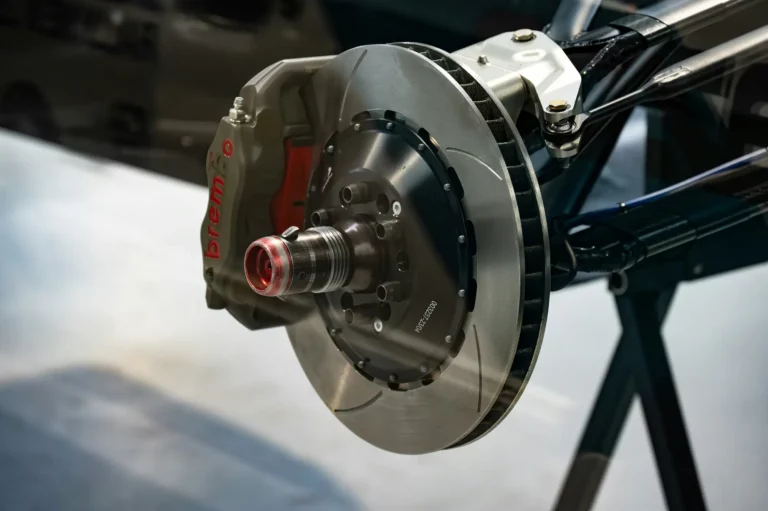
Depending on the agreed service and access, checks may cover tires, brakes, steering, suspension, visible leaks, warning lights and other accessible systems. A road test or diagnostic scan may be included only where appropriate and safe.
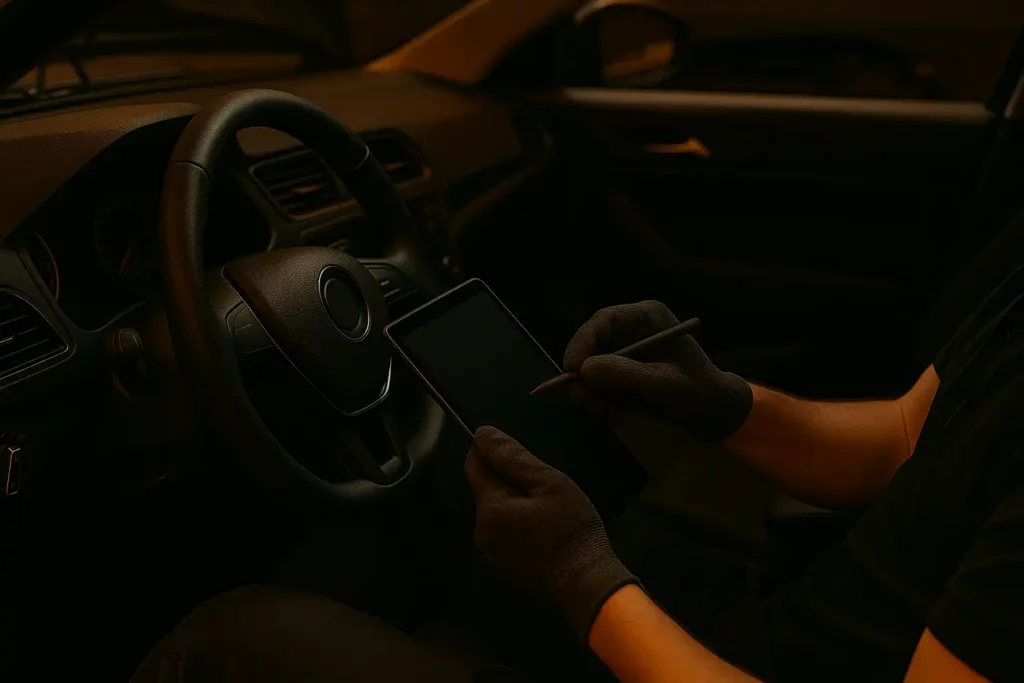
A diagnostic code is a starting point for investigation, not proof that one named part needs replacement. Some intermittent faults do not appear during a short inspection. Modified or specialized vehicles may require additional expertise.
Read the findings as a decision tool
Questions for the written findings
Ask which findings affect safe operation, which need further diagnosis and which are routine maintenance. Request a clear distinction between observed facts, likely causes and items that could not be checked.
Potential repair costs and unknowns can affect the purchase decision. Obtain any estimates through the relevant service provider rather than assuming a web guide can price the work. The final buying decision remains yours.
Keep the limitations visible
Restricted access, weather, missing records and the seller’s conditions may limit the inspection. A comprehensive history check complements a mechanical inspection; neither replaces the other.
If an important concern remains unresolved, pause the purchase and seek the appropriate further checks. A seller declining an inspection is information to consider, but it is not by itself a diagnosis of a particular fault.
Frequently asked questions
Is this the same as a safety certificate?
Not necessarily. A purchase inspection and a statutory certification can have different purposes and scopes. Confirm exactly which service and documents are being offered.
Can an inspection guarantee no future repairs?
No. It assesses observable condition within an agreed scope at a point in time. Hidden or intermittent faults may remain undetected.
Should I bring service records?
Yes, when available. Records and a clear list of concerns help the technician interpret findings and identify areas needing further attention.
Ask the right questions before you buy
Contact the team to discuss the vehicle and confirm whether a suitable inspection can be arranged.